You
finally received the coveted call: you landed the keynote speaking engagement,
won the top industry award, or snagged an upcoming feature in the local
newspaper. “Send over your bio and we’ll get started!”
A
succinct, captivating bio (sometimes called executive profile) is a critical
piece in the personal marketing toolkit, and yet the vast majority of
professional bios are as interesting to read as a technical manual for a dental
chair. That is, not at all.
So
if a great bio can be the difference between someone attending your seminar,
buying your book or reading your article, it’s essential to aim for a bio that
piques — and holds — the reader’s interest, encouraging them to want to know
you a little better, and ultimately become a loyal member of your audience.
The
trick to hitting the sweet spot with a professional bio is being relatable in a compelling
way. Over the years, I have crafted six rules for writing winning bios.
Apply these to your bio, and you’ll be ready for that can’t-miss opportunity:
Remember your
reader. This
is your opportunity to tell your story in an engaging way. Don’t bore your
readers by regurgitating your resume. Ask yourself: what captures your
attention when you’re reading a bio? Is it big-name companies? High-profile
awards? Leadership roles? Make a list of what you notice in bios, and see how
you can use those items in your bio, too.
Eye-catching
successes go first.
I’ve had clients bury their most unique experiences at the end of their bio —
things like leadership at NASA, experience as a contributor with USA Today,
impressive industry awards and intriguing international assignments. Your bio
isn’t the place to be shy about your accomplishments! Make it easy for your
reader to respect your successes from the beginning.
Keep it brief. Resist the urge to add unnecessary
information. Ask yourself “why should
the reader care?” If you don’t have an excellent answer, save it for your
resume. Too many bios go unread because they are too long.
Spell out
acronyms and delete phrases requiring interpretation.
Nothing turns a reader into a scanner (or snoozer) more quickly than a jumble
of letters which mean nothing to people outside your industry. Take the time to
spell out any acronym on the first reference.
The same goes for some of those favorite “business-speak” phrases:
instead of “constructive stimulus strategist” try “change agent” or even just
“leader.” Fancy isn’t always better.
Share personal
information sparingly.
While bios can be a terrific opportunity to add a personal touch to your
professional persona, there is a fine line between interesting and
uncomfortably quirky. Stick with the facts (“She lives in Atlanta with her
husband and two daughters, and enjoys playing tennis and volunteering at her
children’s schools”), always avoiding divisive topics like politics unless they
directly impact your career field.
Be willing to
call in an expert.
If, after applying all the tips you’ve learned in this article, your bio
doesn’t have the “snap” you know it needs, hire a professional writer. Your bio
is the first opportunity you have to make a favorable impression when
connecting with your target audience. Invest in making yours a top-notch
personal marketing centerpiece.
Preparing
a compelling, succinct bio guarantees when someone asks for yours — and they
will — you’ll remain focused on the end result (you know … that amazing award
acceptance speech, the front-page article, the keynote address) instead of the
smaller, but critically important details.
Amy M. Dawson is a brand strategist, business writer, newspaper columnist and humor writer. She’s helped hundreds of professionals — from Fortune 500 CEOs to politicians and entrepreneurs— craft their personal brand through their bios. Sign up for her quarterly newsletter here and subscribe to her blog here.


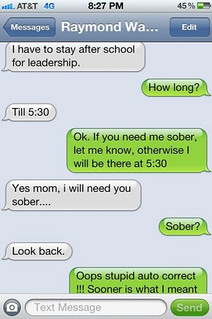
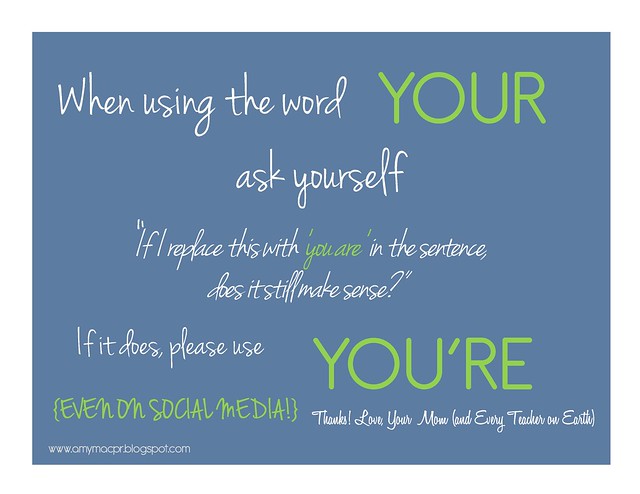 Otherwise, you know those awesome baby pics of you in the bathtub where you have more fat rolls than we can count? The ones I think are so precious and you shudder with horror every time they surface? I shall be so blinded by bearing witness to your repeated poor grammar on social media I will accidentally post them. All of them. And tag you. In every. Single. One.






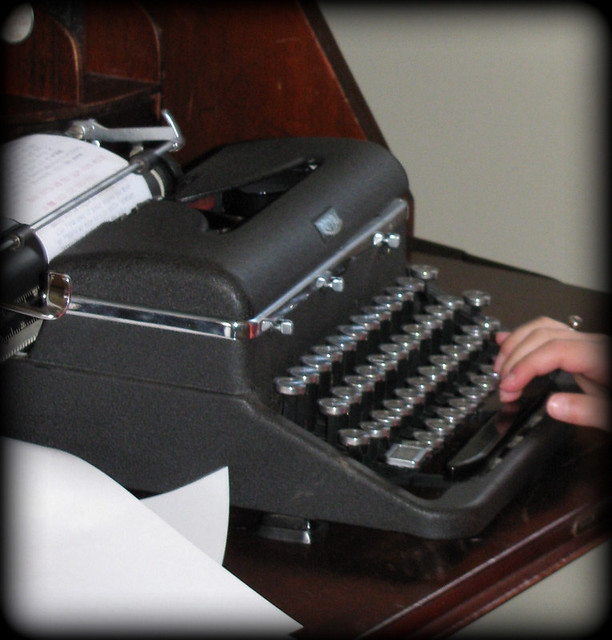
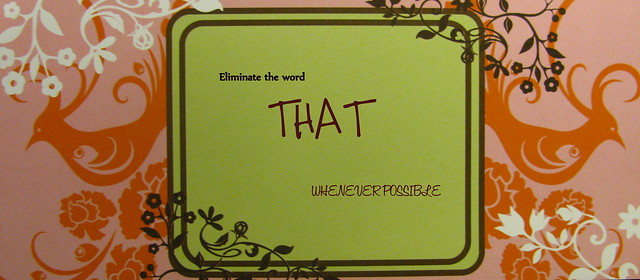
 encourages us to go which-hunting, saying “careful writers, watchful for small conveniences, go which-hunting, remove the defining whiches, and by doing so improve their work.”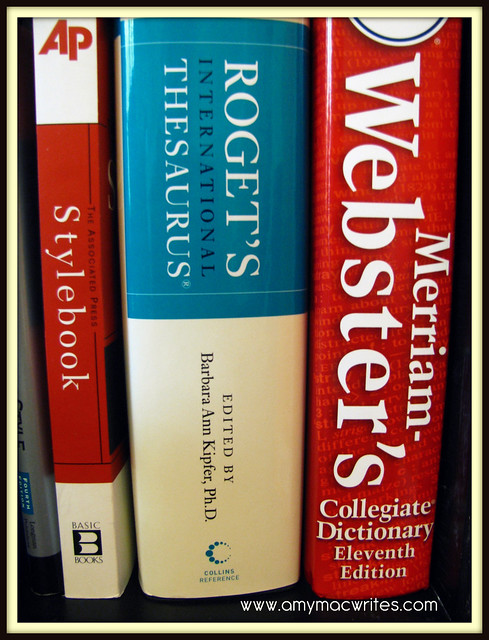
 ,
,  and
and  at a significant discount. Yay, me (well, sorta. I am very distressed the Borders is closing. So, boo.)
 .)
.)